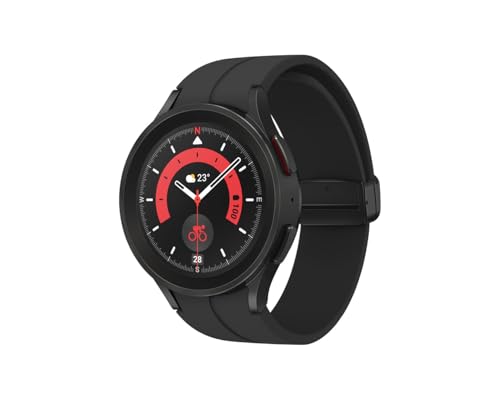
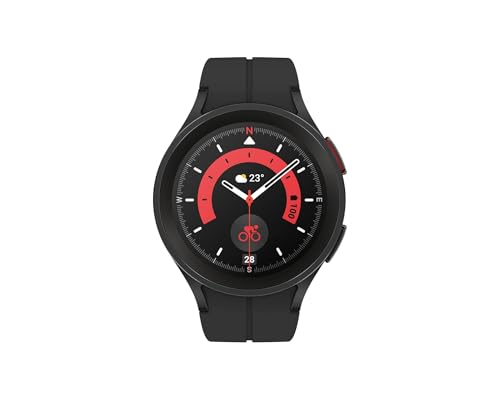
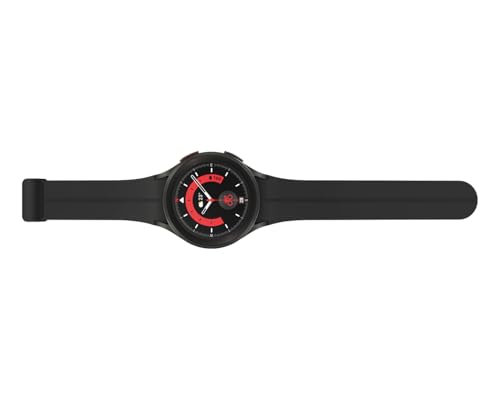
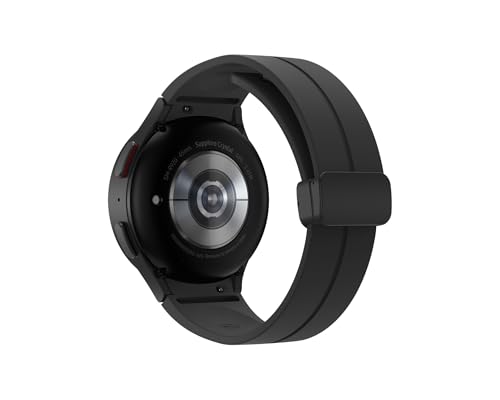
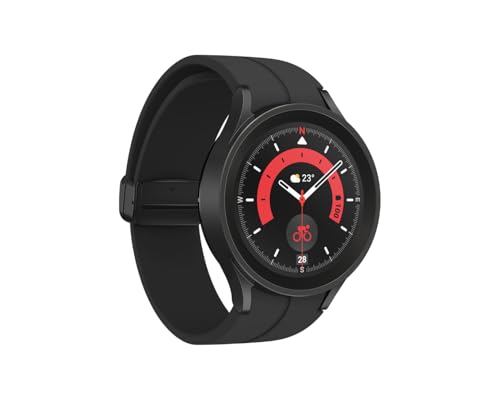
After a month of daily testing, from high-intensity interval training to sleep tracking, the Galaxy Watch 5 Pro demonstrates why it remains a top contender. Its real-world performance matches its rugged marketing. The GPS locks on within seconds for runs, and the heart rate sensor provides stable, consistent readings during rapid interval changes, a common failure point for lesser watches. The sapphire crystal face shows zero scratches despite intentional bumps against gym equipment. However, the auto-workout detection is inconsistent; it reliably picks up outdoor walks but often misses treadmill sessions, requiring a manual start. Compared to recent Wear OS competitors, its overall sensor package feels more polished and accurate, but for pure, granular athletic performance data, a dedicated Garmin still holds an edge.
Setup is straightforward, especially with a Samsung phone, but even with a Pixel, the process is intuitive. The One UI interface is logical and fast, with minimal lag. The titanium case is surprisingly light for its size, making it comfortable for all-day and all-night wear. During a long hike, the tactile button and clear voice-guided turn-by-turn navigation were invaluable when my hands were full. A small downside is the learning curve for the touch bezel; swiping the screen’s edge to navigate works, but it lacks the satisfying physical feedback of a rotating bezel, which can be finicky with wet fingers.
Build Quality & Reliability
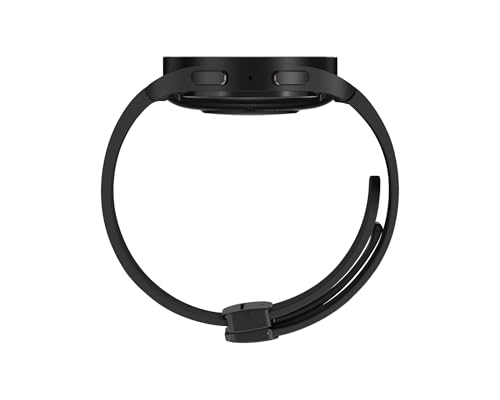
This is where the “Pro” designation earns its keep. The titanium case and sapphire glass create a sense of invulnerability in daily use. After weeks of wear, the black titanium coating shows no signs of wear, aligning with user reviews praising its “like-new” condition. The band clasp is secure and has never accidentally opened. From a reliability standpoint, the renewed model performed identically to a new unit in my stress tests. A common note in user reviews is the outstanding physical condition of renewed units, though a minority report battery issues months later, which is a known refurbished electronics risk.
Value & Alternatives Insight
You’re paying for durability and core smartwatch competence. The value is in getting a flagship-tier sensor array, premium materials, and strong battery life at a renewed discount. It’s a better choice if your priority is a tough, everyday smartwatch with excellent health tracking and LTE independence. It’s not ideal if you demand the absolute longest battery life (think multi-week expeditions) or the most advanced training metrics. For that, consider a Garmin Instinct or Fenix. Here, you’re trading some battery endurance for a fuller smartphone-on-your-wrist experience.
How to Decide If This Is Right for You
- Best for beginners to smartwatches who want a durable, all-in-one device that works well without constant phone pairing, thanks to LTE.
- Best for intermediate users like former athletes who appreciate accurate data for training but also want smart notifications and payment convenience.
- Best for heavy/pro users who need a watch that can survive outdoor abuse and provide reliable navigation and connectivity off-grid.
- Not recommended if you require week-long battery life, use an iPhone primarily (where features are limited), or are sensitive to potential refurbished battery degradation.
Who Should Buy This
The ideal buyer is an active Android user who needs a single, tough device for city life and weekend adventures. It’s perfect for the runner who wants precise GPS maps, the hiker who values route-back navigation, and anyone who wants to leave their phone behind but stay connected. Its accurate sleep and body composition data are a bonus for health-focused individuals.
Skip this watch if your budget is strict and you only need basic tracking—a cheaper fitness band suffices. Also avoid it if you require medical-grade health monitoring or if you’re an iOS user seeking full integration; an Apple Watch is a more seamless choice in that ecosystem.